Home › Guides › FAA MOSAIC and light seaplanes
FAA MOSAIC and light seaplanes: what the rule changes for buyers
The FAA's MOSAIC rule rewrites the rules for light-sport aircraft, and some of the changes bear on anyone shopping for a light seaplane or amphibian. This page summarizes what the FAA's own documents say, with dates. It is a summary of published rules, not legal, flying or purchasing advice.
The basics
On its MOSAIC page (last updated April 2, 2026) the FAA says it published the final rule, Modernization of Special Airworthiness Certification, in the Federal Register on July 24, 2025. The rule changes how light-sport category aircraft are designed, manufactured, certificated, operated, maintained and altered. It has two effective dates, and both have now passed:
- October 22, 2025: rules on sport pilot certification, light-sport repairman certification and maintenance of light-sport aircraft.
- July 24, 2026: rules on certification of light-sport aircraft.
What changes for the aircraft
The Federal Register's summary table (Table 8, Federal Register Vol. 90, No. 140, July 24, 2025) compares the old limits with the final rule for light-sport category aircraft:
| Feature | Before | Final rule |
|---|---|---|
| Maximum weight | 1,320 pounds for land-based aircraft; 1,430 pounds for amphibious aircraft | Not prescribed |
| Maximum seats | 2 | 4 for airplanes, 2 for other aircraft |
| Maximum stall speed | 45 knots VS1 CAS | 61 knots VS0 CAS for airplanes |
The FAA fact sheet adds that the rule allows retractable landing gear, new propulsion types such as electric, and any number of engines on light-sport category aircraft. It describes the aim as removing prescriptive weight limits that hinder safety-enhancing designs. The fact sheet says the rule relies on industry consensus standards, and the FAA FAQ says manufacturers sign a statement of compliance and that the FAA does not issue design or production approvals for light-sport aircraft.
What changes for sport pilots
The FAA fact sheet says new 14 CFR 61.316 removes the weight and airspeed limits on aircraft sport pilots may operate, sets a new maximum stall speed of 59 knots CAS with flaps retracted (VS1), allows retractable landing gear, and allows four-seat airplanes while keeping a two-occupant limit. The aircraft must meet the requirements at the time of its original certification.
Two points in the Federal Register text matter for water aircraft:
- Sport pilots who intend to operate a seaplane must hold an airplane category and single-engine sea class privilege (Federal Register, July 24, 2025).
- For aircraft intended for operation on water with retractable landing gear, the final rule requires training and an endorsement. The rule says that requirement does not apply to pilots with experience operating such aircraft before October 22, 2025, as specified in 14 CFR 61.331(c). The FAA notes that it expects the weight change to add more aircraft intended for water operation with retractable landing gear, including amphibious seaplanes.
The text above is the FAA's wording summarized, not instruction. Pilots should ask an instructor and read the rule for their own situation.
What it means for someone buying a light seaplane
The FAA FAQ on manufacture and certification of light-sport category aircraft answers several buyer questions directly:
- Existing light-sport aircraft stay valid. Aircraft with airworthiness certificates issued before July 24, 2026, which the FAA calls legacy light-sport aircraft, remain valid only if they continue to meet the light-sport definition.
- Altering a legacy aircraft to exceed its original limits has a consequence. The FAQ says altering a legacy aircraft to exceed limits such as weight, seating capacity or speed renders its airworthiness certificate ineffective. To benefit from the new limits, the FAQ says a new statement of compliance from the manufacturer and a new special airworthiness certificate are needed.
- Normal-category aircraft cannot switch. An aircraft that previously held a standard category airworthiness certificate is not eligible for a light-sport category certificate (14 CFR 21.190(b)(2), per the FAQ).
- Kits. For a kit whose statement of compliance was signed before July 24, 2026, the consensus standards in place on the date of that statement apply to the experimental airworthiness certificate.
- Buyer checks. The FAQ's purchase considerations say the manufacturer completes a statement of compliance for each new aircraft and suggest researching the make and model's safety record and requesting training records and audit reports from the manufacturer. This is the FAA's text, not ours.
In its discussion of sport pilot privileges, the FAA says many aircraft intended for water operation with retractable landing gear were too heavy for sport pilots to operate under the previous rules. Whether any particular maker will redesign or certify a new model under the new rules is a matter for that maker.
MOSAIC and the Aventura
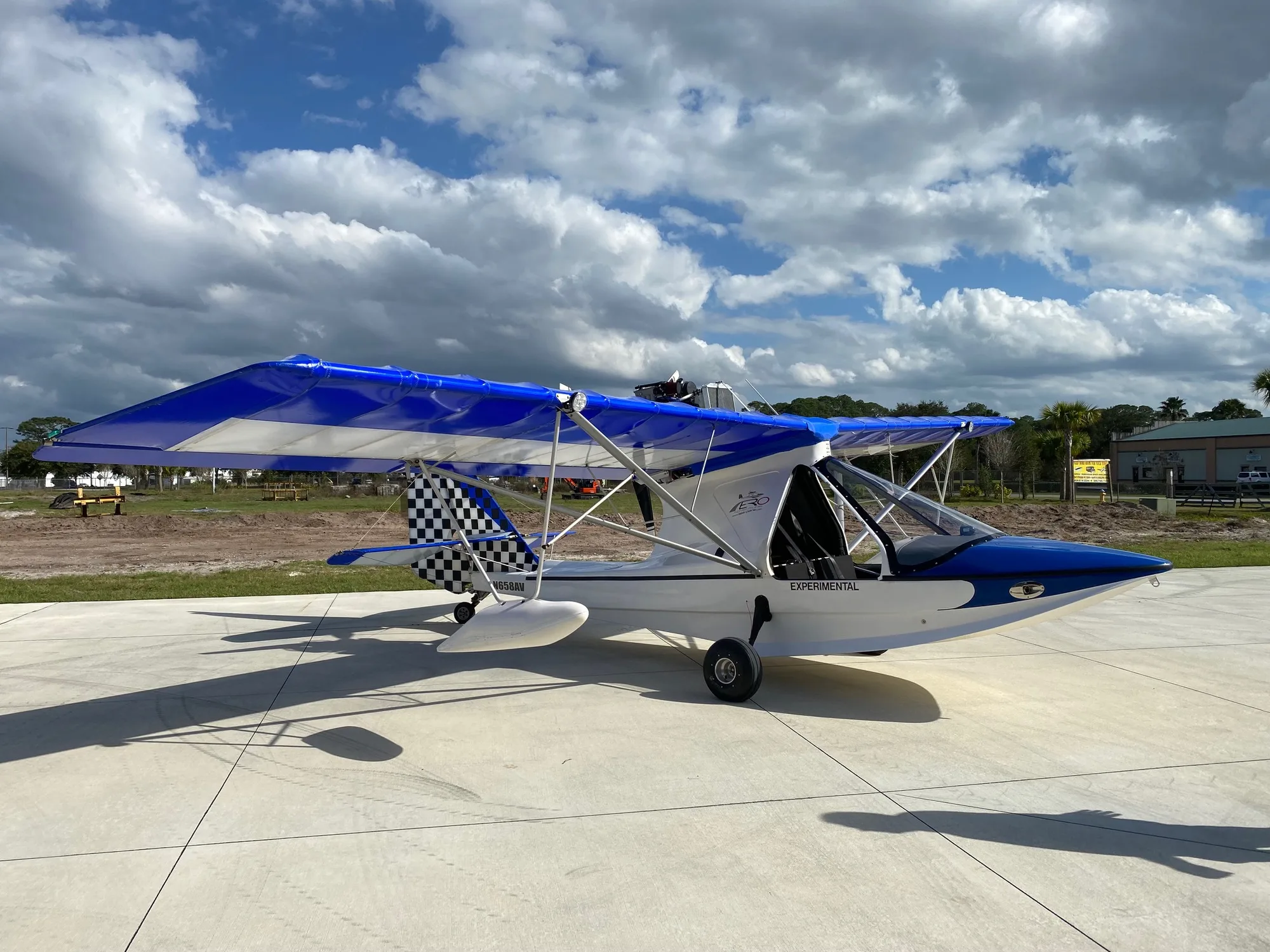
None of the FAA documents we read names Aero Adventure or any specific aircraft. The Aventura II spec table on the About page lists a gross weight of 1,430 pounds and two seats, and the SLSA page describes the current factory-built configurations. Ask us how the rule applies to the aircraft and the license you have in mind. Prices for light amphibians are compared in amphibious LSA for sale.
The FAA MOSAIC page also listed some guidance as "coming soon" when last updated, including a pilots FAQ and a Part 91 operations FAQ. Check the FAA page for updates.
Where to read the rule
The FAA's MOSAIC page links the final rule, a fact sheet and FAQs. The Federal Register notice is FR Doc. 2025-13972, Docket No. FAA-2023-1377. For Aventura kits, see our Kits page and for background see the Aventura II page.
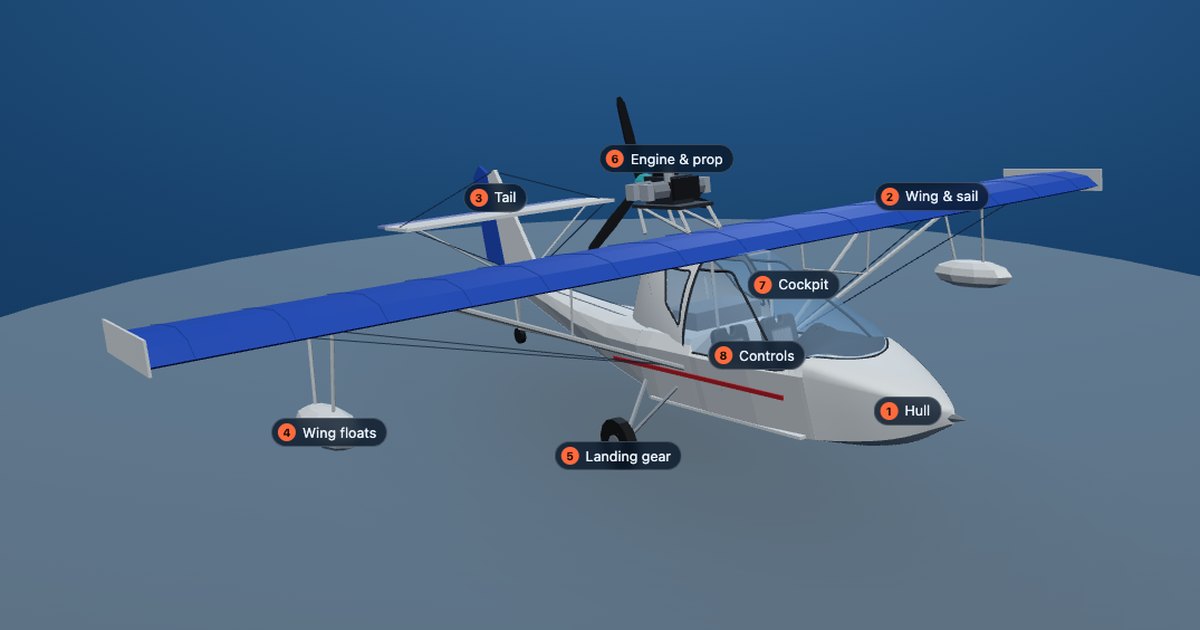
See the Aventura II in 3D
Turn it, pull it apart, pick your colors and package, and send us your design for a quote.
Have a question about the Aventura? Contact Aero Adventure.
 What is a seaplane?
 Seaplanes for sale
 How much does a seaplane cost?
 ICON A5 price